Don't Let the Room Bet for You: Keeping Your Head When Casino Energy Pulls Everyone Else's
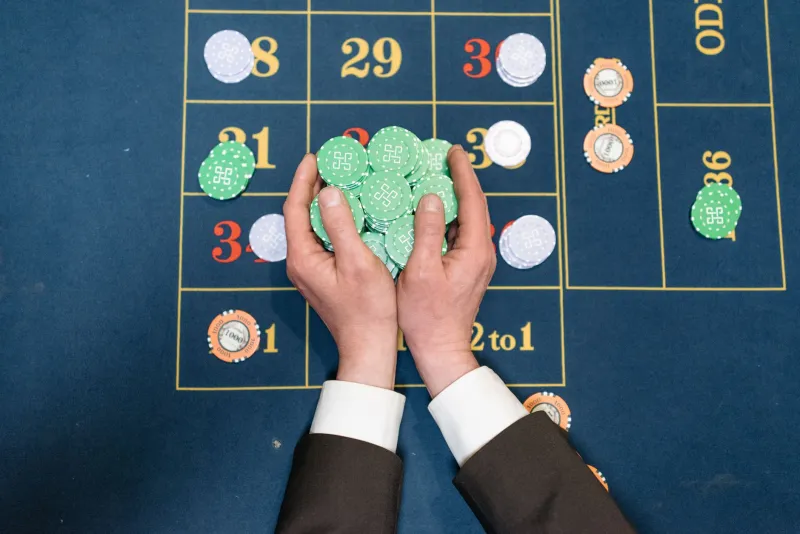
Step onto a busy casino floor on a Friday night and you'll feel it immediately — something in the air that makes your pulse quicken and your judgment loosen. The noise, the lights, the energy of a hundred people all chasing something. It's intoxicating by design. And for most American bettors, that environment is doing a lot of the decision-making that they think they're doing themselves.
This isn't a knock on casinos — it's just physics. High-stimulation environments alter behavior. The question is whether you're aware of it happening, and what you're doing about it.
At UFABET2233, we think about this a lot. Because whether you're playing in a physical casino or on a live dealer platform from your couch, the same psychological forces are at work. And the bettors who understand those forces consistently outperform the ones who don't.
The Casino Is Not a Neutral Environment
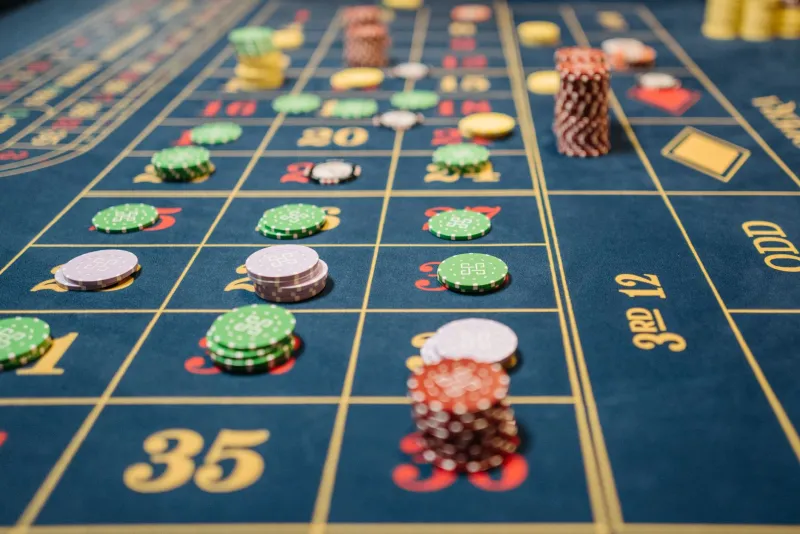
Let's start with some uncomfortable honesty about casino design. Modern casino floors — and many live online casino interfaces — are deliberately engineered to maximize what behavioral economists call "time on device" and "spend per session." The absence of clocks. The particular frequencies used in ambient sound. The way table games are arranged to create a sense of social validation around winning. None of this is accidental.
Researchers at the University of Nevada studied how ambient casino noise and lighting affected bet sizes among recreational gamblers. The findings were predictable but striking: bettors in higher-stimulation environments placed larger average wagers and made decisions significantly faster than those in quieter settings. The environment was effectively doing the betting for them.
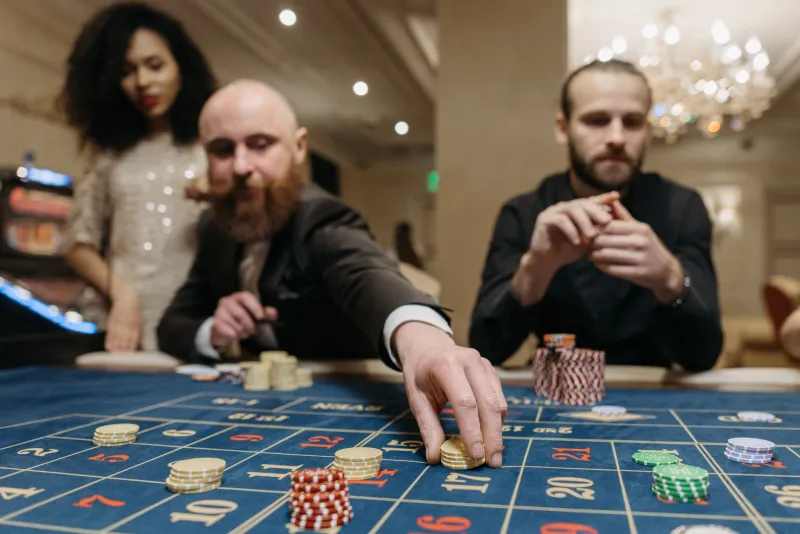
American casino culture tends to lean into this. The crowd gets loud when a craps table heats up, and suddenly everyone within earshot is throwing chips in directions they hadn't planned. A winning streak at a blackjack table draws spectators, and those spectators frequently start playing — riding the perceived wave of someone else's momentum.
This is crowd contagion. And it's one of the most expensive things that can happen to your bankroll.
Composure as a Competitive Advantage
Observers who've spent time in both American and Thai casino environments frequently note a cultural difference in floor energy management. Thai bettors — particularly experienced ones — tend to maintain a quieter, more contained presence even in high-energy settings. There's less reactive celebration, less visible tilting after losses, and more consistent adherence to pre-set session plans regardless of what the room is doing around them.
This isn't cultural stoicism for its own sake. It's a practical competitive strategy. When you're not emotionally reactive to the room's energy, you maintain access to the rational part of your brain — the part that remembers your session limit, that recognizes a bad bet for what it is, that knows when to walk away.
In American casino culture, showing excitement is part of the social experience. And that's genuinely fun. But there's a cost: emotional display and emotional decision-making travel together. When you let yourself get swept up in the room's excitement, you're also letting the room influence your bets.
Social Pressure at the Table
Peer influence at casino tables deserves its own conversation because it operates in subtle ways that most players never consciously identify.
At a blackjack table, there's often implicit social pressure to play in a way that doesn't "mess up" other players' hands. This pressure leads to mathematically incorrect decisions — players hitting when basic strategy says stand, or standing when they should hit, because they're worried about what the table thinks. The house edge on a correctly played hand is around 0.5%. The house edge on a socially influenced hand can be three to four times that.
At a sports betting counter or a poker table, social dynamics create different pressures. The guy next to you is hammering the home team with confidence and you find yourself drifting toward the same side even though your own read said the opposite. The table's energy around a particular outcome starts to feel like information when it's actually just noise.
Thai betting culture, shaped partly by a tradition of more solitary or small-group wagering, tends to produce bettors who are less susceptible to this kind of social drift. The decision was made before sitting down, and the room's opinion doesn't change it.
Practical Strategies for Staying Rational in Chaotic Environments
You can't change casino environments. But you can change how you relate to them. Here's what actually works:
Decide before you walk in. Your session budget, your game selection, your maximum bet size — all of this should be settled before you sit down at any table or open any betting interface. Decisions made in advance, outside a high-stimulation environment, are almost always better than decisions made in the moment.
Create a physical anchor. Experienced Thai bettors often use small rituals — a breath, a specific physical gesture, a brief pause — to create separation between impulse and action. Develop your own version. Before placing any bet, take three deliberate breaths. It sounds simple because it is. It works because it inserts a gap between stimulus and response.
Treat crowd enthusiasm as a contrarian signal. When the entire table is excited about something, that's often a sign that the obvious play is already priced in, or that group think is driving the action rather than genuine edge. Train yourself to slow down when the room speeds up.
Use session limits as hard stops, not guidelines. Tell yourself before you start that your session limit is a stop sign, not a suggestion. When you hit it, you leave. No exceptions for hot streaks, no extensions because the vibe is good. The moment you start negotiating with your own limits, the environment has already won.
Play your own game on live dealer platforms too. Online live casino environments create similar social pressures through chat functions, visible betting behavior from other players, and the energy of a real dealer. The same rules apply: decide in advance, ignore the crowd, stick to your plan.
Reading the Room the Right Way
Here's the nuance: not everything about reading a casino environment is bad. Experienced players do pick up genuine information from floor dynamics — a table that's running cold, a dealer who's on a streak, the general energy of a session. The difference is that skilled bettors use environmental information to inform their decisions rather than to make their decisions.
Reading the room means gathering data. Letting the room bet for you means surrendering your judgment. One is a skill. The other is a trap.
At UFABET2233, we want every player walking into any gaming environment — physical or digital — with enough self-awareness to know the difference. Because the best bet you'll ever make is the one you made with a clear head, on your own terms, before the noise got loud enough to drown out your own thinking.